In PCBA manufacturing, PCB depaneling plays a critical role in product accuracy, structural reliability, and production efficiency. Choosing the right depaneling technology helps minimize mechanical stress, ensure stable quality, and optimize mass-production performance.
With deep expertise in custom plastic molds and electronics manufacturing, Zhimao summarizes the five most widely used PCB depaneling methods in the industry. This guide explains how each method works, their advantages, and their best-fit applications—helping you make the right choice for your production needs.
Overview:
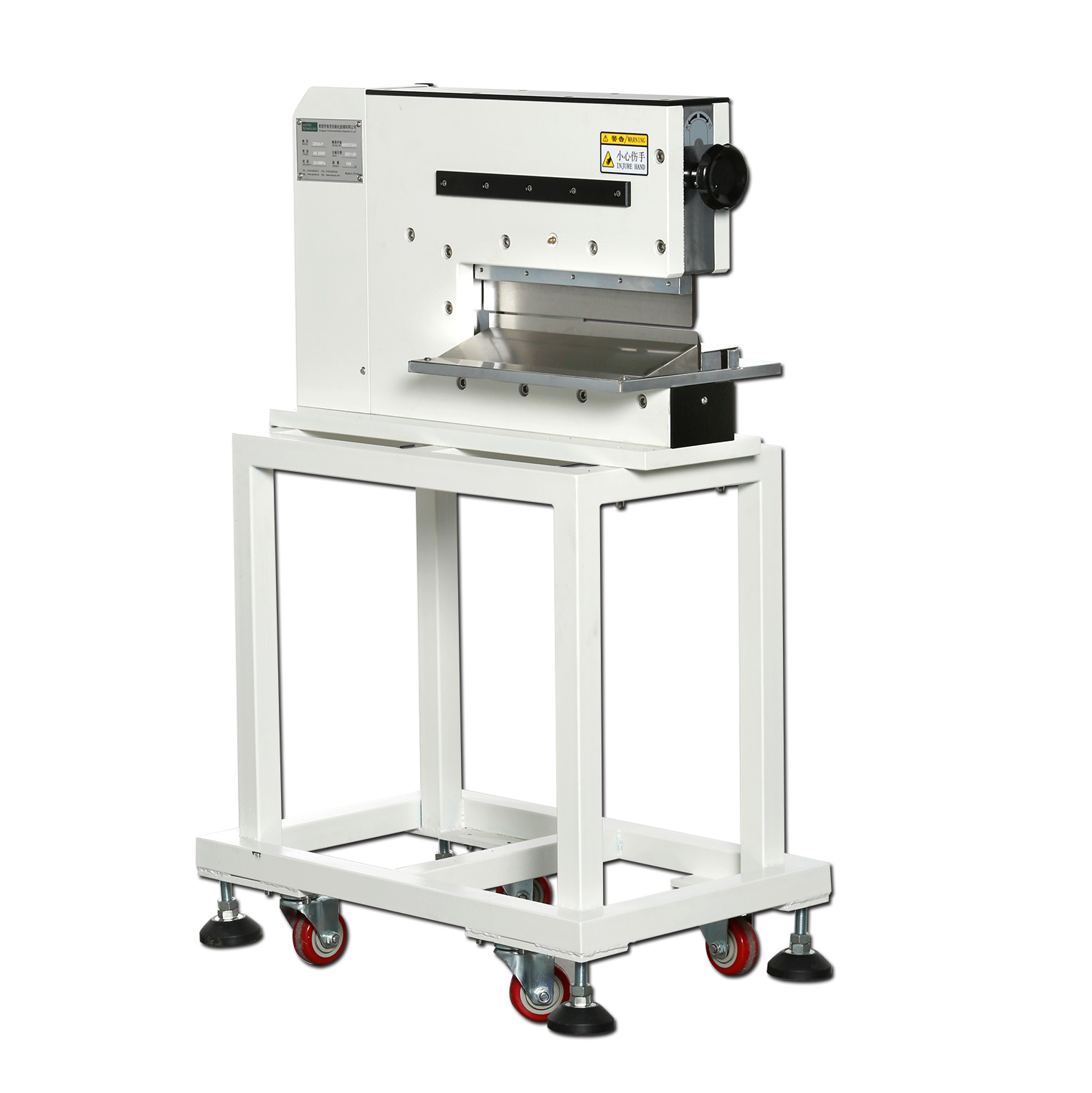
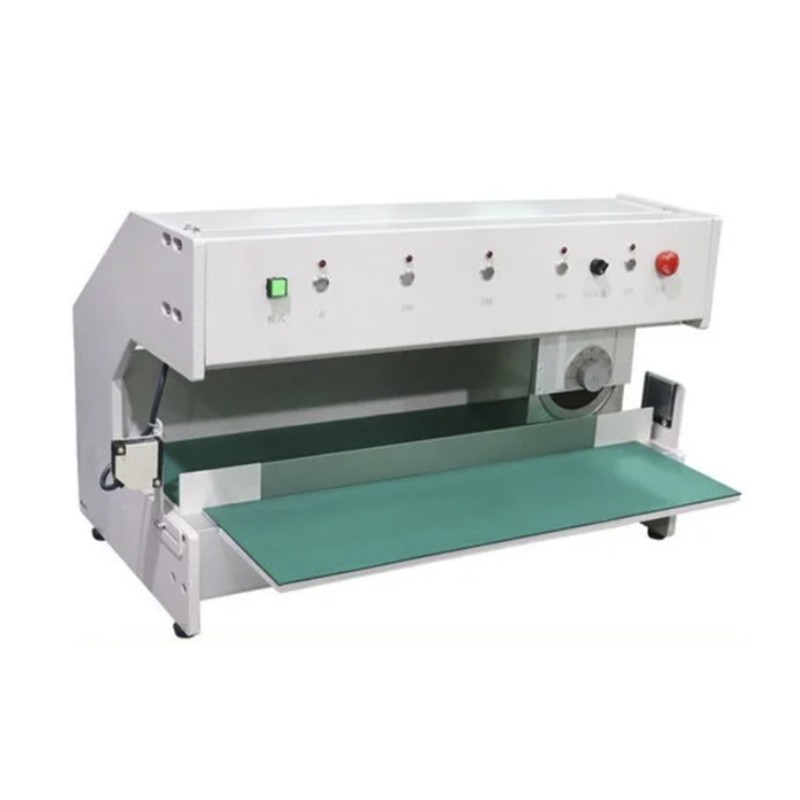
V-Cut uses blade wheels to pre-score V-grooves on the PCB, allowing boards to be snapped or cut along the preset lines.
Key Features:
Low equipment and processing cost
High mechanical stress during cutting
Supports only straight-line separation
More burrs and lower dimensional accuracy
Best For:
High-volume, cost-sensitive products with simple board layouts.
Overview:
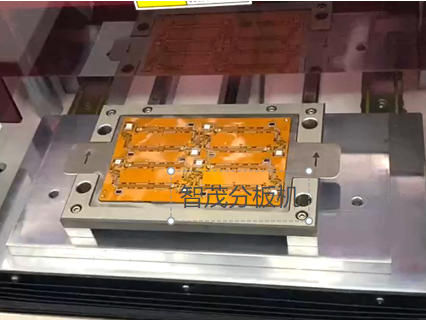
Punching uses custom metal dies to separate PCBs instantly, delivering extremely high speed and output.
Key Features:
Very fast production rate
Generates high stress, posing risk to sensitive components
Requires custom die fabrication (higher upfront cost + lead time)
Suitable for long-term, single-model mass production
Best For:
Home appliances, consumer electronics, and standard PCBA products with consistent design.
Overview:
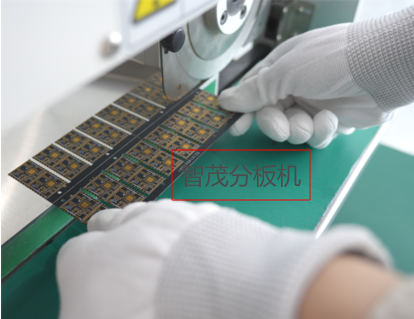
A rotating thin blade (routing disc) follows a guided track to cut the PCB with minimal stress.
Key Features:
Very low cutting force; protects SMT components
High accuracy and smooth board edges
Supports straight-line and fixed-path routing
Not ideal for highly complex or irregular shapes
Best For:
Products requiring low stress and clean edges but relatively simple outlines.
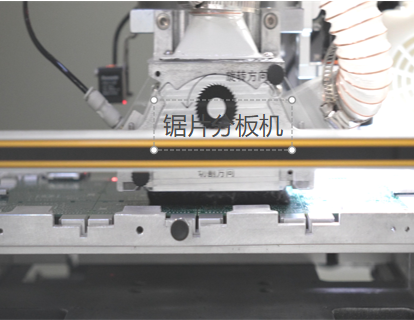
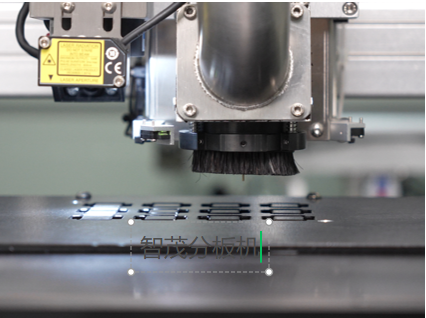
Overview:
A high-speed spindle and CNC program precisely mill the PCB along any required contour.
Key Features:
High precision and excellent edge quality
Minimal mechanical stress transfer
Handles complex curves and irregular shapes
Suitable for a wide range of product types
Best For:
Automotive electronics, communication equipment, and premium consumer electronics that require high-accuracy milling.
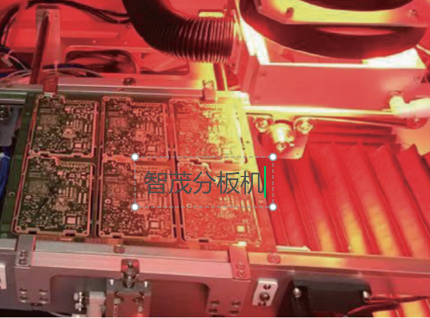
Overview:
Laser depaneling is a non-contact, micro-precision cutting method recognized as the most advanced PCB separation technology today.
Key Features:
Zero mechanical stress
Can cut any shape or micro-feature
Micron-level accuracy with automatic alignment
Dust-free operation with extraction system
Best For:
Camera modules, medical devices, sensors, miniaturized boards, and high-reliability PCBA applications.
| Requirement | Recommended Methods |
|---|---|
| High precision, clean edge | CNC Router, Laser |
| Irregular or complex shapes | CNC Router, Laser |
| No mechanical stress allowed | Laser |
| Lowest cost, high throughput | V-Cut, Punching |
| Protection for sensitive components | CNC Router, Laser |
As a professional provider of custom molds and electronics manufacturing solutions, Zhimao offers multiple depaneling options along with tailored jigs, fixtures, and tooling support to ensure maximum productivity and stable quality.
Choosing Zhimao means:
✔ Multiple depaneling technologies for flexible selection
✔ Custom jig and mold development capability
✔ High-precision equipment with strict quality control
✔ Stable mass-production capability and fast lead times
Whether you need PCB depaneling, mold customization, or complete PCBA processing, Zhimao is committed to delivering high-reliability manufacturing solutions for your business.